

How the Red Sands Dunes Were Formed (and Why They're Red) + Desert Wildlife Guide
How wind and iron built the dunes—and what lives in the surrounding Chihuahuan Desert.
The first thing everyone asks at Red Sands: why is the sand red? The second: what lives out here? Both answers are great stories — one written by wind and iron over thousands of years, the other still running around the dunes today.
Heads up: Red Sands is not an official OHV park and isn't managed or maintained by any agency. It's a mix of private and public lands — most of it privately owned — that locals have ridden for decades. Always respect no-trespassing signs and stay on established routes. Our guides are specifically trained to avoid restricted and private areas, so when you ride with Rent a UTV El Paso, you can focus on the adventure knowing you're exactly where you're supposed to be.
How the Red Sands Dunes Were Formed
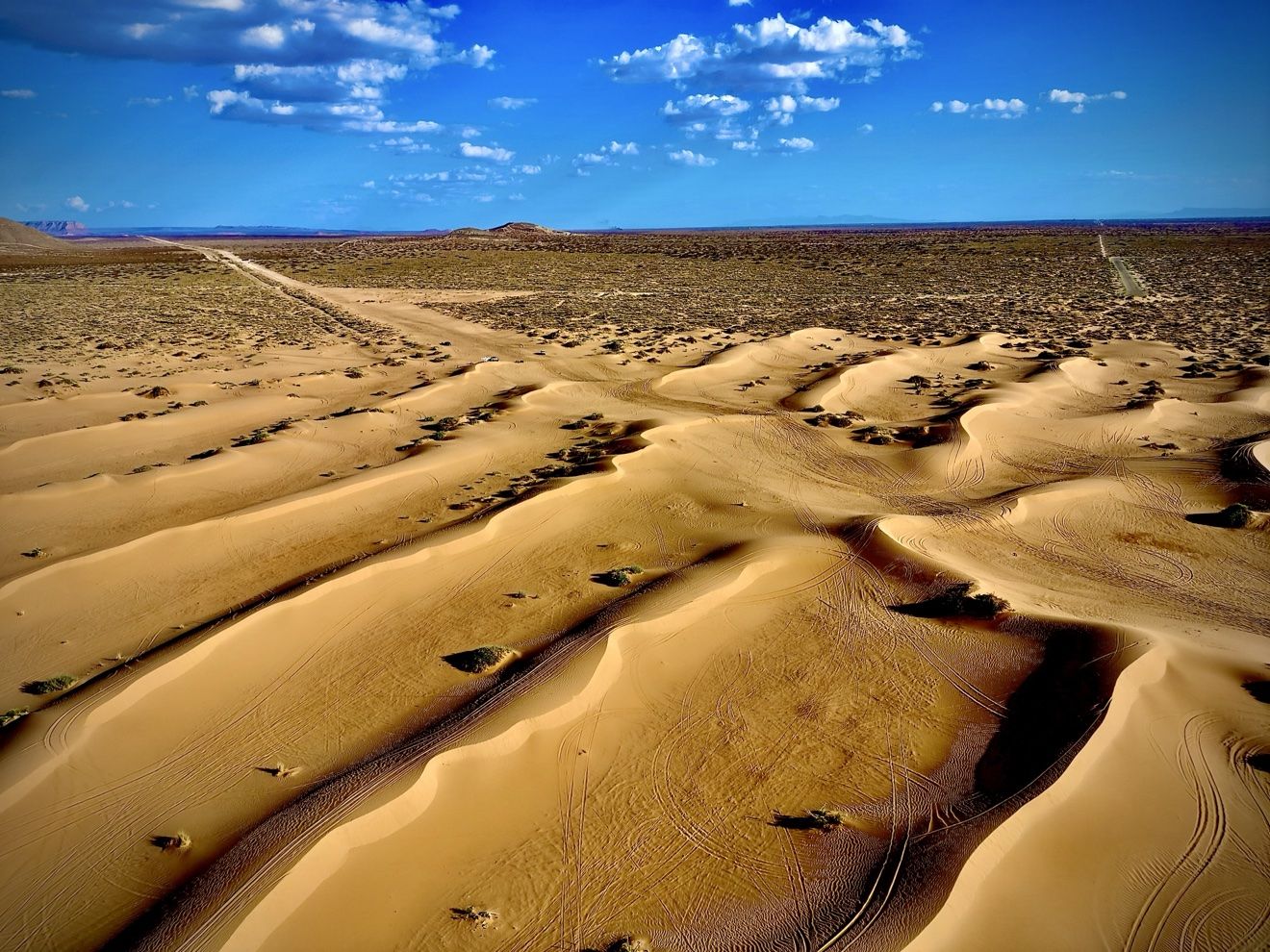
Sand dunes are built by wind, one grain at a time. The process scientists call aeolian transport works in three steps:
- Erosion: Desert winds scour sand grains from weathered rock and dry lakebeds across the region.
- Transport: Wind lifts and bounces the grains along the ground — a hopping motion called saltation. A strong desert wind can move an astonishing amount of sand this way.
- Deposition: When the wind hits an obstacle or loses speed, it drops the sand. Grain by grain, piles grow into dunes.
At Red Sands, this has been happening for thousands of years. The dune field sits in an open stretch of the Chihuahuan Desert east of El Paso where prevailing winds have a long, unobstructed run — perfect dune-building conditions. The dunes here mix soft, bowl-shaped sand with harder-packed desert flats, which is exactly what makes the riding so good: dunes to carve and firm trails to open up on.
And the dunes never sit still. Wind reshapes them constantly, so the terrain genuinely changes from season to season. Ride it in spring, ride it in fall — it won't be exactly the same place twice.
Why Is the Sand Red? Thank Iron.
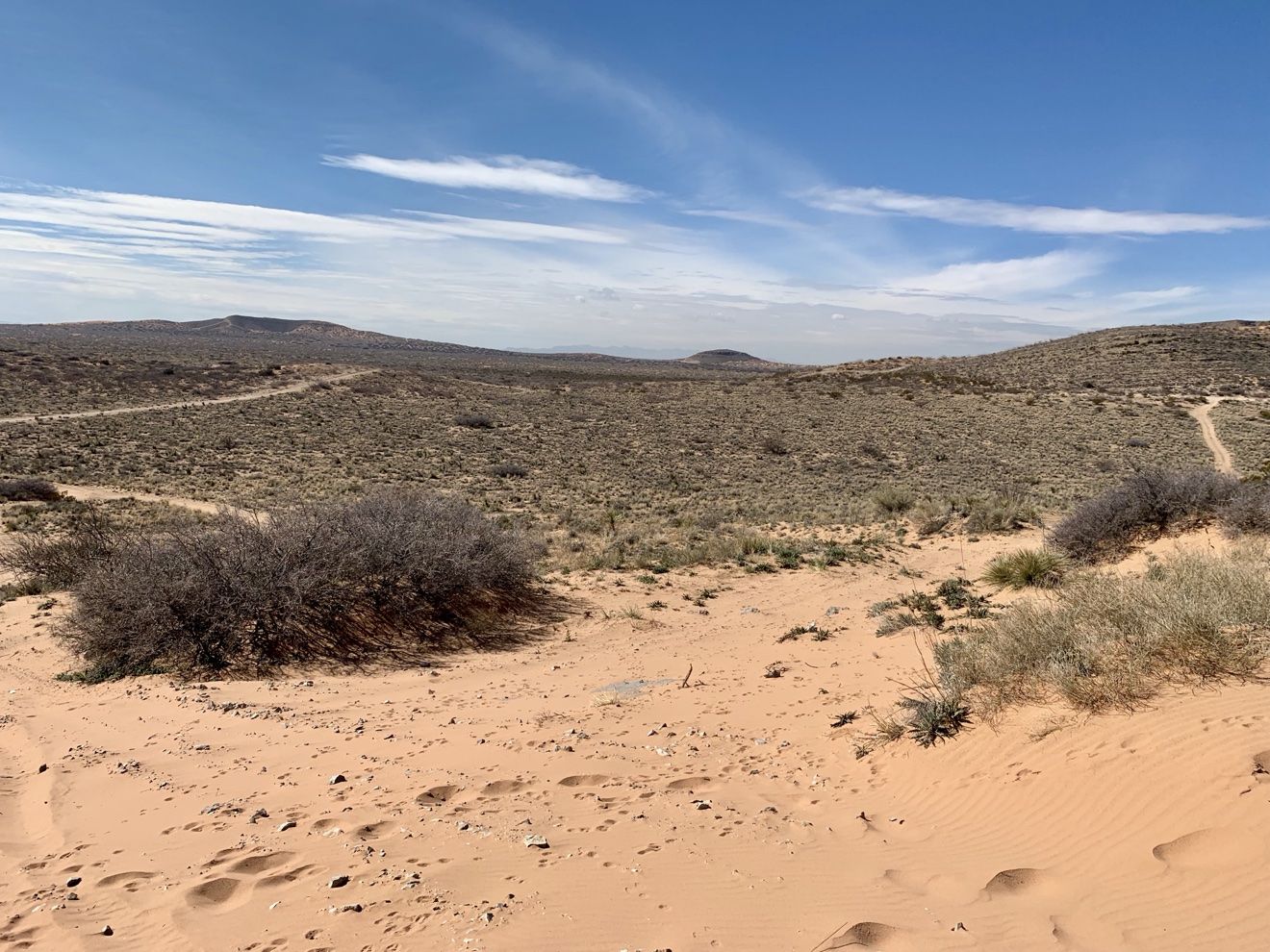
The red-orange tint of Red Sands comes down to one element: iron. Each sand grain is coated in a microscopically thin layer of iron oxide — the same compound as rust. It's the same chemistry that makes Mars red, painted across the West Texas desert.
The deeper the red, the higher the iron content in the coating. After rain, the color intensifies dramatically — wet iron oxide darkens to a rich burnt orange, and the whole dune field glows. If you ever get the chance to see Red Sands right after a desert rain, take it. It's the most beautiful the desert ever looks.
Wildlife of Red Sands: Who Lives in the Dunes
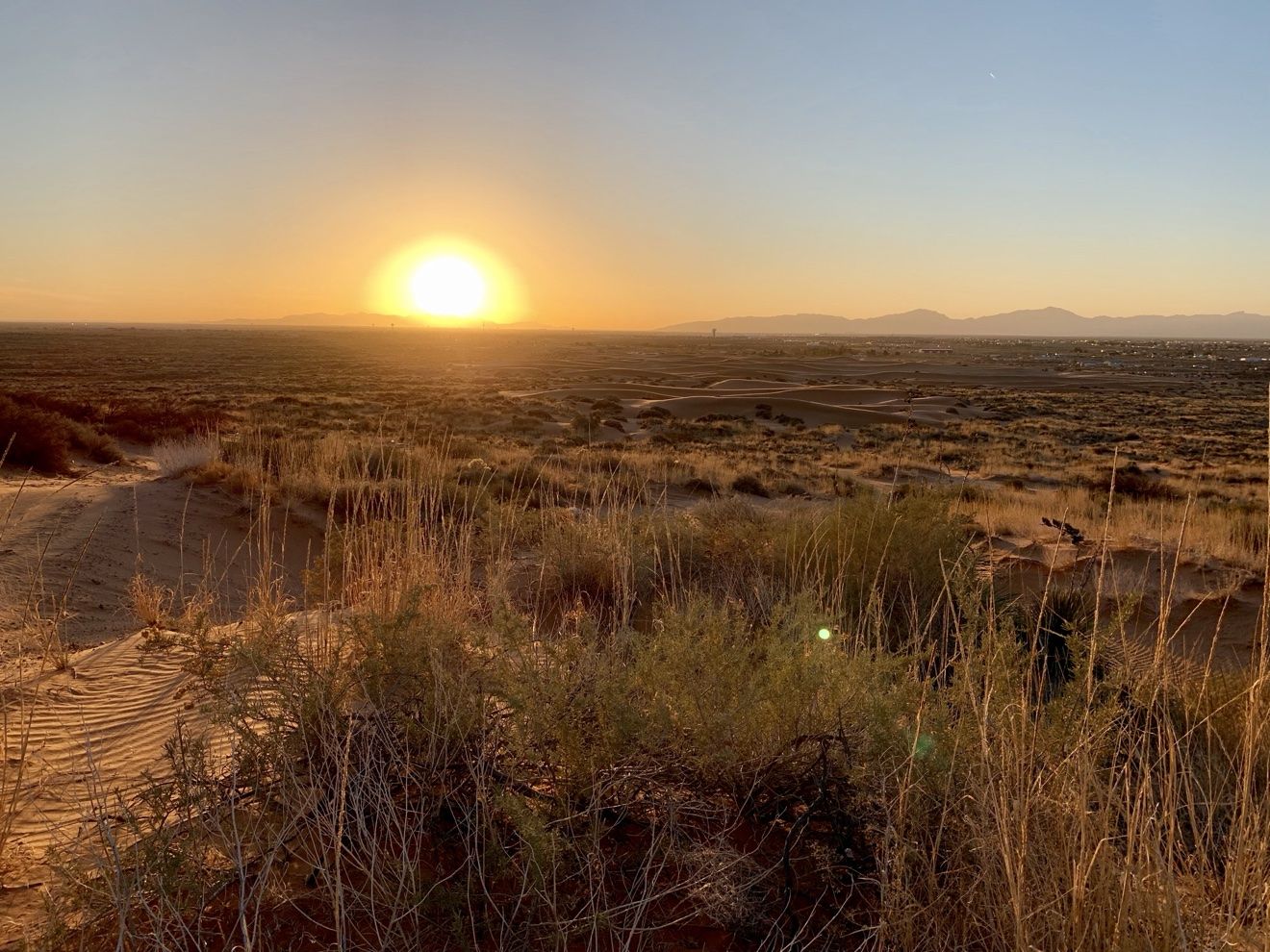
The desert looks empty until you learn to see it. Red Sands and the surrounding Chihuahuan Desert support a remarkable cast of animals, most of them masters of heat, drought, and camouflage.
Roadrunners
The greater roadrunner is the undisputed mascot of the Chihuahuan Desert. These long-legged birds would rather run than fly — they can sprint over 15 mph — and they're one of the few animals bold enough to hunt rattlesnakes. Watch for them darting across the trails with their crests up and tails cocked.
Coyotes
You'll hear them before you see them. Coyote packs chorus at dawn and dusk across the dunes, and lone coyotes trot the trails in the early morning. They're shy of people and vehicles — consider a sighting good luck.
Jackrabbits and Cottontails
Black-tailed jackrabbits are everywhere at Red Sands, especially in the cool hours. Those enormous ears aren't just for hearing — they're radiators that dump excess body heat. Desert cottontails stick to the brushy edges.
Mule Deer and Javelinas
Mule deer drift through in the early morning and late evening, and javelinas (collared peccaries — not actually pigs) travel in noisy little herds. Both are most active when the desert is cool.
Lizards
By day, the dunes belong to the lizards: collared lizards doing push-up displays on rocks, whiptails skittering through the brush, and the occasional horned lizard — the famous "horny toad" of Texas. They're harmless and endlessly entertaining to watch.
Rattlesnakes
The western diamondback calls this desert home. They're not aggressive — they'd much rather you walk the other way — but give every snake space and watch where you step, especially around rocks and brush. On guided UTV tours you stay on the trail and in the vehicle, so it's a non-issue.
Hawks, Eagles, and Owls
Red-tailed hawks ride the thermals above the dunes all day. Golden eagles patrol the wider desert. After dark, great horned owls and burrowing owls take the night shift. Bring binoculars if you're a birder — the desert skies here are busy.
The Night Crew
Much of the desert wakes up after dark: kit foxes, bobcats, badgers, kangaroo rats, scorpions, and tarantulas (fall is mating season, when the big males wander). Observe wildlife from a respectful distance, stay on established routes, and do not assume camping is allowed without the landowner's permission.
Seeing It All on a UTV Tour
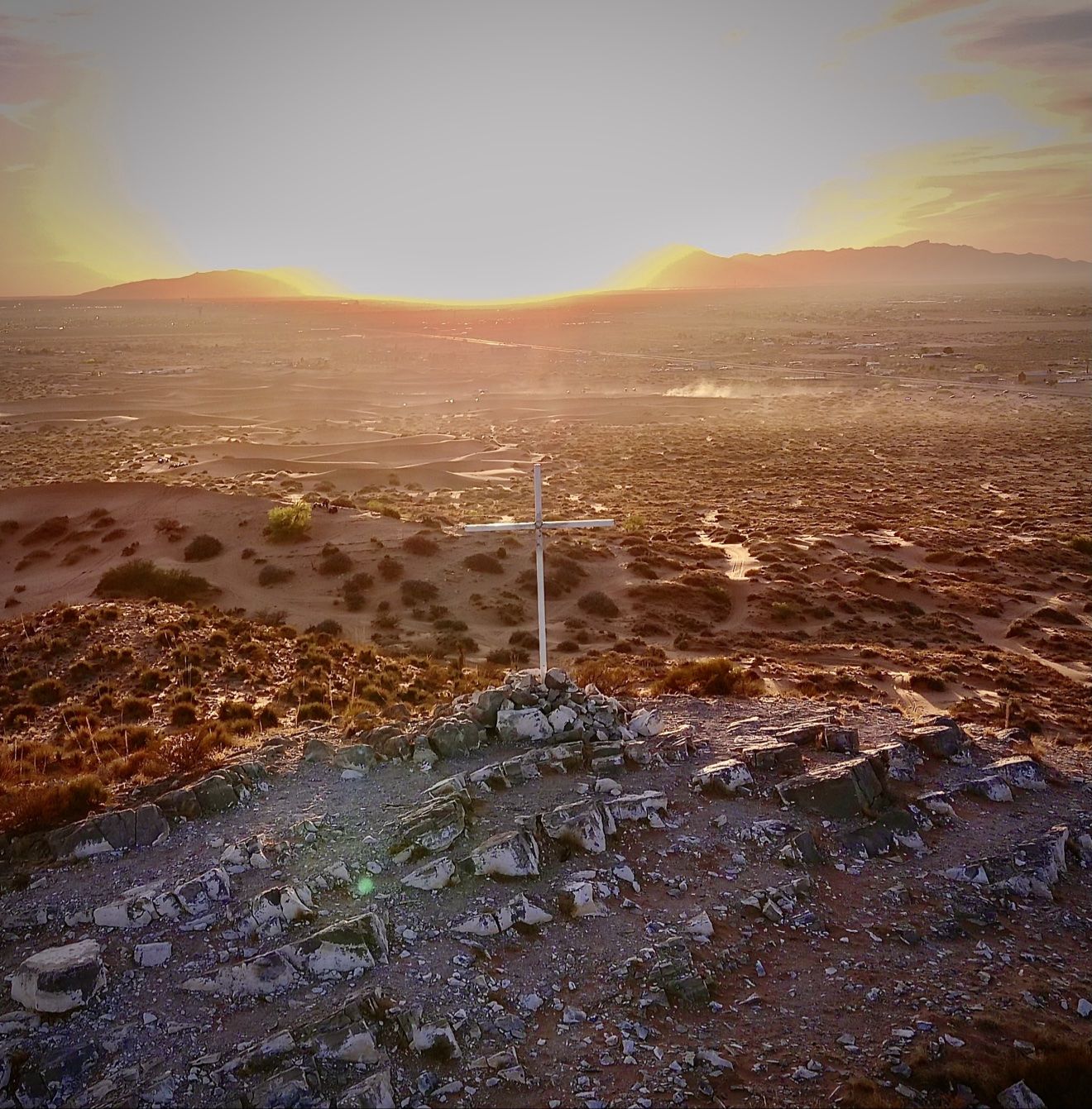
Here's the thing about desert wildlife: the animals are most active at dawn and dusk — exactly when the light is best and the riding is sweetest. A morning UTV tour through Red Sands puts you in the dunes during prime wildlife hours, covering 25 miles of terrain you'd never see on foot.
Rent a UTV El Paso's guided tours roll through the heart of the dune field in brand-new turbocharged Can-Am Maverick X3s, with a professional guide leading the way. Keep your eyes up between the thrills — roadrunners on the trail, hawks overhead, and jackrabbits scattering ahead of the pack are all part of the ride.
The dunes were built by wind and iron over thousands of years. The wildlife figured out how to thrive in them. All you have to do is show up and see it.